

Last updated on May 7th, 2026 at 09:23 pm
Welcome to the World of Modern Kitchens.
Modern kitchen design is more than just a style—it’s a philosophy. Whether you’re drawn to sleek cabinets, bold ideas, or a minimalist aesthetic, the modern kitchen is all about blending form and function. But here’s the twist: “modern” can mean different things to different people. Is it the clean lines of Mid-Century Modern? The cutting-edge tech of contemporary design? Or a great blend of both?
Endless questions arise when considering a remodel. I put together this guide to help you explore everything you need to know about modern kitchens—from innovative cabinet ideas to timeless design principles, and the top trends.
What is Modern Design?
Modern design originated in Europe after the destruction of World War I. Much of the pre-war world was destroyed, some literally in the continent-spanning war, but also figuratively, in that many of the ideas that predated the Great War seemed absurd and outdated in the face of the war’s devastation. New schools, especially the Bauhaus in Germany, brought new ideas to design.

A core concept is the idea of “starting from zero”, where designers put away old ideas about what buildings and furniture should look like, and focus on what could be produced with contemporary materials. They also focused on minimalism, stripping away the ornamentation and taking a design down to its basic utilitarian function.
How is Contemporary Design Different from Modern Design?
Contemporary design follows on the ideas of the Modern style, often featuring Modern elements like lack of ornamentation and celebration of man-made materials. Just as Modern design emphasized what could be made with the industrial materials of the 20th century, Contemporary design looks at the industrial materials of the 21st century. Contemporary kitchen design also commonly blends modern ideas with other styles, like the farmhouse or Mediterranean styles, to create interesting hybrid concepts. Enter the transitional kitchen décor style; if you were to take a 50/50 mix of contemporary and modern kitchen design styles and blend them together at a ratio of 1:1, you’d end up with transitional. The transitional kitchen is among the most popular kitchen design style since 2016 and it shows no signs of slowing down.
What About Mid-Century Modern?
Check Out This Particularly Iconic Modern Style
European Modernism filtered its way over to America over the course of the 20th century. Mid-Century Modernism is an American interior design style that developed in the period following World War II. It combines Modern ideas about minimalism and emphasis of man-made materials, Scandinavian design’s love of simplicity and natural shapes, and American post-war optimism. In contrast to the more austere Modernist looks, Mid-Century Modern interior design shows off the flourishes that are inherently possible in 1950s industrial materials.

Mid-Century Modern homes are by far the most iconic form of modern style homes and might just be the most fun to recreate.
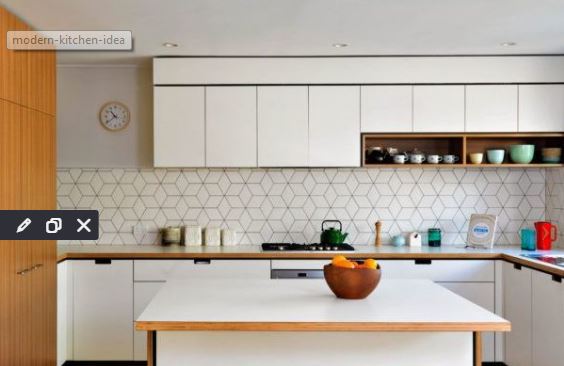
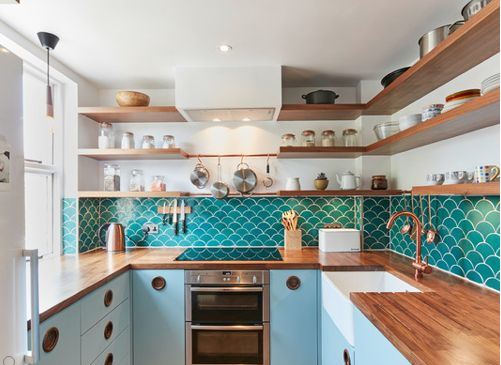
Mid-Century Modern kitchens are often bold, featuring bright colors in the cabinet, backsplash, or wallpaper. Wood paneling is common too, showing off the possibilities of plywood. Look for furniture in the style as well, like the famous Tulip chair. Cabinets are often wood, if not some bright, cheery color. A backsplash is a bright and bold color, as is the wallpaper; you don’t see wallpaper very often in more-contemporary homes, but it’s huge in Mid-Century Modern.
Mid-Century homes also tend to make heavy use of modern furniture, designed to complement the wooden paneling or bright colors in the home – whether it’s colorful barstools, the famed Tulip Chair, or a bright red vinyl couch in the breakfast nook (like diner style). The home’s overall design is usually made to be open, airy, and flow altogether, perhaps even blending in with the world around it.
If you’re looking for a kitchen that is stylish, unique and colorful, you can’t go wrong with a Mid-Century interior design.

Top 5 Modern Kitchen Trends
At Hunt’s Kitchen & Design, we’ve spent over two decades watching trends come and go. Some are flashes in the pan, while others redefine how we live in our homes. If you are planning a modern remodel this year, here are the top five trends dominating 2026 that actually have staying power.
Natural Wood Cabinetry Takes Center Stage
For years, painted cabinets—especially stark whites and cool grays—ruled the modern kitchen. Not anymore. In 2026, natural wood is front and center. We are seeing a massive shift toward white oak and walnut. Homeowners want to see the grain patterns and feel the texture rather than hide the wood’s character. The result? Kitchens with genuine warmth that painted surfaces struggle to match. Whether it’s a full wood kitchen or just a wood island paired with painted perimeter cabinets, real wood brings an authenticity that synthetic alternatives can’t replicate.
The “Invisible” Kitchen (Disappearing Appliances)
In recent years, kitchen appliances would boldly announce themselves, often in hard-to-miss stainless steel. Now, the trend is making your fridge and dishwasher magically vanish. Panel-ready appliances that match your surrounding cabinetry are gaining serious traction. When your dishwasher looks like another cabinet and your fridge blends into the wall, suddenly the stone or wood you selected becomes what you notice first. Function still matters, it just doesn’t dominate the visual landscape.
Two-Tone Cabinetry with Dark Lowers
Matching everything has slipped out of fashion. Kitchens with varied colors create much more visual interest. The sweet spot for 2026 is pairing warm wood with painted neutrals, or using a bold, dark color—like forest green, navy, or deep burgundy—on the lower cabinets while keeping the uppers light and bright. This approach creates natural distinctions in open-concept layouts and adds a dimension that single-color schemes just can’t achieve.
Warm Neutrals and Matte Finishes
While white kitchens aren’t disappearing entirely, they are definitely growing warmer. The cool grays and stark whites of the past decade are giving way to earthier alternatives like mushroom, taupe, greige, sand, and soft clay. These colors create calm without feeling cold. Additionally, matte finishes are replacing glossy surfaces across the board. Not only do they look incredibly sophisticated, but they also resist fingerprints and scratches—a huge win for everyday usability.
Layered Lighting and Smart Tech
Lighting used to be a kitchen afterthought. In 2026, it’s one of the most memorable elements in the room. We’re creating layered approaches that build depth and dimension. Under-cabinet lighting illuminates work surfaces, interior cabinet lighting showcases glassware, and oversized sculptural pendants serve as conversation starters. Pair this with smart, dimmable controls, and you can adjust the vibe instantly—bright and energizing for morning coffee, softer and more intimate for evening gatherings.
Modern Cabinets

Frameless Cabinets
The frame on a cabinet is unnecessary – strip it away in favor of a frameless design. This looks good, and gives you more room in the cabinet. Frameless cabinets have to use full-overlay doors, which add to the minimalist style by stripping away the boundary between the door and the cabinet.

Floating shelves
No rule says you should repress sleek lines that give your kitchen simple modern touches. Even a floating shelf is still creating a horizontal line despite anything that is placed on top of these shelves. It does create an area of interest that will allow decorative touches such as flowers in a vase, colored cups, or kitchen spices. Adding a hanging shelf will also distract the eye long enough to create a transition point from one cabinet to another.
Depending on how you’re designing your kitchen, you might want to have open hanging shelves in an area that appears otherwise empty or too small to add another cabinet. While adding a long continuous hanging shelf can make a bold statement if you have a tall kitchen with an upper shelf or floating kitchen shelves. It’s important to mention that supports for floating shelves aren’t always seen so they will appear more streamline on the wall itself.


Colored cabinets
White cabinets aren’t your only option. If you’re going for that Mid Century look, a few brightly, boldly colored cabinet doors add nice flair. I know it sounds crazy, but glossy aqua colored cabinets aren’t out of the question. Don’t be afraid to experiment with color. Vivid colors can include red, blue, or green—all perfectly acceptable.
Warmer colors that take on pastel Pantones can also work in this case to accent or break up transitional areas that separate cabinets or simply add visual interest. As long as you don’t break the basic rules of Modern kitchen design, using any kind of color from subtle to bold and bright are an excellent way to make a statement. You want to be careful with overly glossy surfaces that can distract kitchen color and muddy them among any existing finishes. When in doubt, lean towards matte over glossy.


Open Cabinets
Instead of having doors on your kitchen cabinets, there have been alternatives which include frosted glass, stained glass, and framed glass. There isn’t any harm if you decide to have cabinets with closing doors and are simply open cabinets. It won’t distract much from the lines you’ve created as long as broad horizontal lines are running along a kitchen cabinet section.
What this does do is adding more open space to give decorative freedom to display cups or items you want to add inside your cabinets for display. Especially if you want to show off color within a cabinet with cups that are vibrant or artsy. Even if you decide to have a couple of open shelves, let them blend off into existing cabinets without breaking the flow of dynamic lines that should be present already. Or perhaps a combination fold-up hinging door that allows you access to an open cabinet with a unique garage door-like hinge.


Simple Handles
Think tubular or rectangular bar pulls. They’re simple and easy, with no frills or fancy decorations, and complement those clean minimalist lines of the cabinet. Take a look at different finishes – stainless steel is the straightforward choice, but chrome and brass are interesting alternatives.
Textured Wood Veneer Cabinets
 For a modern twist on natural materials, textured wood veneer cabinets are a fantastic option. These cabinets bring warmth and depth to a kitchen while maintaining a sleek, contemporary aesthetic. The subtle grain patterns and textures add visual interest without overwhelming the minimalist vibe. Pair them with matte black or brushed metal hardware for a striking contrast.
Maybe Ditch The Pulls
 Instead of adding hardware that decorates the cabinet faces, consider using finger-grooves to open your cabinets. This creates extremely clean lines, but can be troublesome on the usability front. Make sure there’s a visual cue so you can see where the grooves are at a glance. If you’re looking for something a bit more impressive — while still remaining true to straight clean lines –consider touch-free kitchen cabinets.
In closing…
And there you have it—a deep dive into the world of Modern kitchen design. From its minimalist roots to its endless potential for personal expression, this style is all about clean lines, smart function, and a “less is more” attitude.
Here are a few final summary points to keep in mind as you start your own Modern kitchen project:
- Trust the Lines: The easiest way to get the Modern look right is to emphasize strong horizontal lines. Think wide, flat-front cabinets, long drawer pulls, and uncluttered countertops. It’s a simple rule that makes a huge impact.
- Don’t Fear Bold Choices: While Modern design loves a neutral palette, a single, bold pop of color can bring your kitchen to life. Whether it’s a vibrant island, a colorful backsplash, or a set of bright barstools, a little audacity goes a long way.
- Function First, Always: A Modern kitchen should work as beautifully as it looks. Think about your workflow and how you use the space. Seamlessly integrated storage and smart tech aren’t just cool features; they’re what make this style so livable.
In the end, designing a Modern kitchen is about creating a space that feels calm, organized, and uniquely yours. Thanks for letting me guide you through the ideas. I hope you feel inspired and ready to build a kitchen you’ll love for years to come.
If you have any questions or would like to discuss your upcoming project feel free to reach out to my bother or myself on our contact page.



No comment